
Key Takeaways
- Annual inspections protect your investment. Regular property inspections help identify maintenance issues early, prevent costly repairs, verify lease compliance, and preserve your property’s long-term value.
- Preparation and documentation are essential. Review previous inspection reports, move-in records, photos, maintenance history, and use a standardized checklist. Document findings with detailed notes and dated photographs for accurate records.
- Follow California’s legal requirements. Landlords must provide proper advance notice before entering an occupied rental unit for an annual inspection, respecting tenants’ rights while remaining compliant with California law.
- Inspect systematically and distinguish wear from damage. Conduct room-by-room inspections and carefully differentiate normal wear and tear (such as faded paint or worn carpet) from tenant-caused damage (such as broken fixtures or large holes in walls) to support fair maintenance decisions.
Owning a rental property involves much more than collecting rent each month. Every investment property requires regular oversight to preserve its condition, comply with California regulations, and identify maintenance issues before they become costly repairs.
One of the most effective ways to accomplish these goals is by conducting an annual property inspection.
At East Bay Property Management, we know that routine inspections help protect both your property and your investment. When performed professionally, annual inspections benefit everyone involved.
Tenants gain confidence that their home is being properly maintained, while landlords receive valuable information that helps them make informed decisions, preserve their property’s value, and maximize long term returns.
Why Are Annual Property Inspections Important?
Rental properties experience daily use, making normal wear and tear unavoidable.
Even responsible tenants can contribute to gradual deterioration of flooring, plumbing fixtures, appliances, paint, roofing, landscaping, and mechanical systems. Without regular inspections, small issues can easily develop into expensive repairs.
By conducting annual inspections, landlords can:
- Keep accurate records of the property’s condition.
- Identify potential lease violations.
- Detect hidden damage before it worsens.
- Confirm that major systems are operating properly.
- Plan future maintenance and capital improvements.
- Protect the long term value of the property.
Taking a proactive approach helps landlords address issues before they become costly surprises.
Understanding the Purpose of Annual Inspections
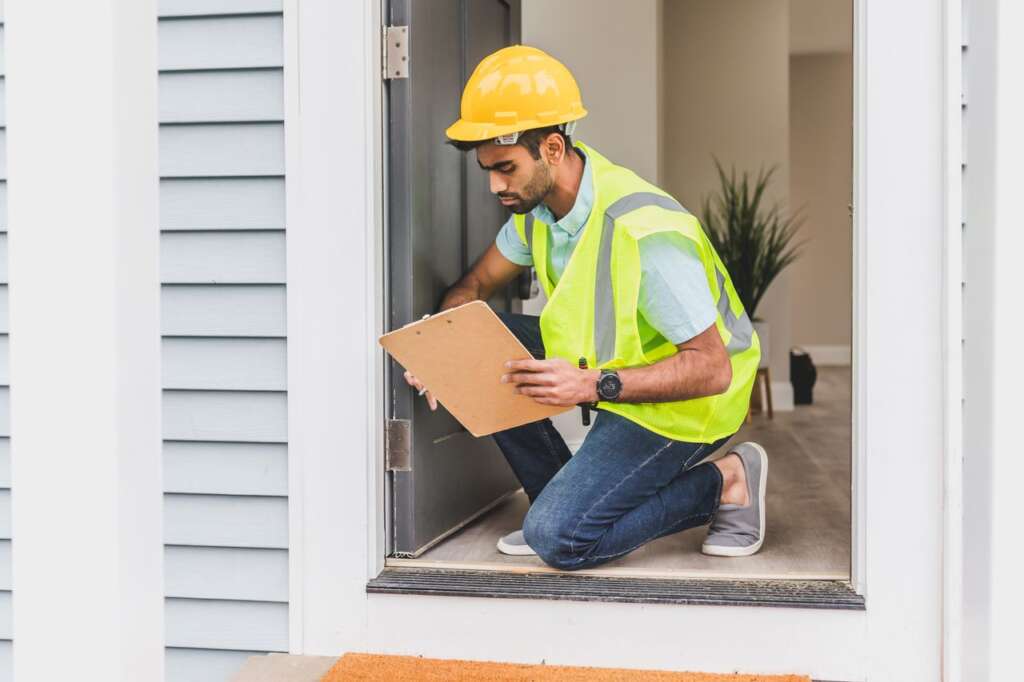
Annual inspections are not intended to replace maintenance visits or emergency repairs. Their primary purpose is to evaluate the property’s overall condition and determine whether it continues to meet expected standards.
During the inspection, landlords should focus on documenting observations rather than making immediate repair decisions. Repairs and maintenance plans should be developed after reviewing the inspection findings.
Separating the inspection process from repair planning creates more accurate records and allows landlords to prioritize maintenance based on the property’s actual needs.
California Notice Requirements
California law requires landlords to provide proper notice before entering an occupied rental property.
Advance notice must be given before entering a unit for a legitimate reason, including conducting an annual inspection. The notice should clearly state the date, approximate time, and purpose of the visit in accordance with California landlord tenant laws.
Providing proper notice demonstrates professionalism while respecting a tenant’s right to quiet enjoyment of the property. Landlords should also retain copies of all inspection notices for their records.
Because landlord tenant laws can change, it is important to stay informed about current California regulations.
Preparing for an Inspection
A successful inspection begins long before arriving at the property. Proper preparation allows landlords to conduct a thorough and consistent evaluation while comparing the property’s current condition with previous inspections.
Before the inspection, review:
- Records from the previous inspection.
- Move in documentation.
- Photos from earlier inspections.
- Outstanding maintenance requests.
- The lease agreement.
- Previous repair records.

Using a standardized inspection checklist also helps ensure every room and feature receives the same level of attention during each visit.
Communicating With Tenants
Clear communication helps create a positive inspection experience. Tenants should understand that annual inspections are a routine part of responsible property management rather than a response to a problem.
Before the inspection, explain:
- The purpose of the inspection and its expected duration.
- Which areas of the property will be inspected.
- Whether maintenance personnel or contractors will be present.
Professional communication builds trust, reduces unnecessary concerns, and strengthens the landlord tenant relationship.
Learn more about our property management approach.
What Should Be Documented During an Inspection?
Documentation is the most important part of an annual inspection. Rather than relying on memory, landlords should carefully record their observations and take photographs when appropriate.
Important items to document include:
- Overall cleanliness of the property.
- Signs of normal wear and tear.
- Damage beyond normal use.
- Safety concerns.
- Appliance condition.
- Flooring condition.
- Wall condition.
- Window condition.
- Smoke and carbon monoxide detectors.
- Plumbing fixtures and visible leaks.
- Exterior conditions and landscaping.
Photographs should be dated and securely stored along with written inspection notes. Thorough documentation can be invaluable if questions arise later.
Conduct Inspections Room by Room
Following a consistent room by room process reduces the chance of overlooking important details. Inspect each area carefully, including the entryway, living room, kitchen, bedrooms, bathrooms, laundry room, garage, and all exterior spaces.
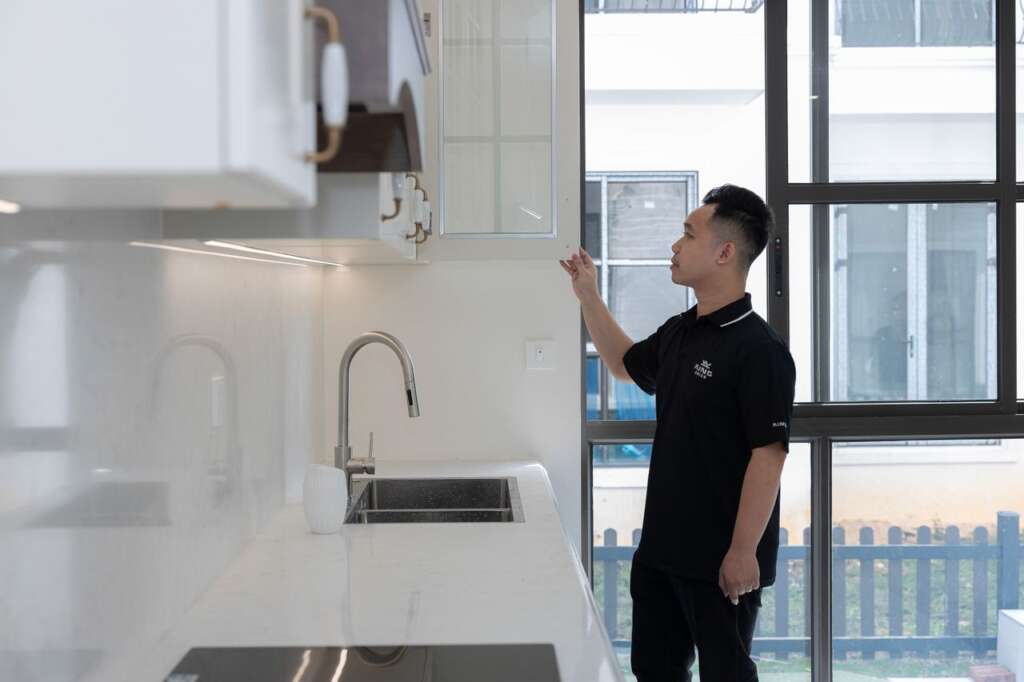
A systematic approach helps create consistent records year after year.
Distinguishing Normal Wear and Tear From Property Damage
One of the most important parts of an inspection is determining whether issues result from normal wear and tear or tenant caused damage.
Examples of normal wear and tear include:
- Worn carpet.
- Small nail holes.
- Faded paint.
- Minor appliance wear.
Examples of tenant damage include:
- Large holes in walls.
- Broken light fixtures or hardware.
- Missing doors.
- Unauthorized alterations.
- Significant flooring damage.
- Broken windows.
Accurate documentation helps landlords make fair assessments while reducing the likelihood of future disputes.
Look Beyond Surface Appearance
A thorough inspection involves much more than evaluating the property’s appearance. Landlords should also watch for signs of developing maintenance or safety issues that may not be immediately obvious.
Pay close attention to:
- Water intrusion.
- Mold or mildew.
- Structural movement or settling.
- Pest activity.
- Ventilation concerns.
- Smoke detector operation.
- Carbon monoxide detector operation.
Identifying these issues early helps protect both the property and its occupants while reducing the likelihood of expensive repairs later, helping landlords maintain more predictable cash flow and avoid unexpected financial setbacks.
Final Thoughts
Annual property inspections are one of the most effective ways to protect your rental investment in the East Bay.
Rather than simply identifying repairs, inspections provide valuable insight into your property’s overall condition, verify lease compliance, uncover maintenance concerns early, and create a detailed record that supports better property management decisions.
At East Bay Property Management, we help rental property owners protect their investments through proactive inspections, preventative maintenance, and professional management services.
With regular inspections and careful documentation, you can preserve your property’s value, minimize costly surprises, and maximize your long term returns.
Frequently Asked Questions
1. How long does an annual rental property inspection typically take?
The length of an inspection depends on the property’s size, condition, and complexity. A single-family home may take less time than a larger multifamily property or mixed portfolio with multiple units. A thorough inspection should allow enough time to review all major systems, document findings, take photos, and note any recommended maintenance.
2. What happens after an annual property inspection is completed?
After the inspection, landlords should review the findings, prioritize any needed repairs, and create a maintenance plan based on urgency and budget. Some items may require immediate attention for safety reasons, while others can be scheduled as part of routine preventative maintenance or future capital improvements.
3. How can annual inspections help landlords plan future renovations?
Inspection reports provide valuable insight into which components of a property may need replacement or upgrades in the coming years. By tracking the condition of flooring, appliances, roofing, plumbing, and other major systems, owners can plan capital improvements proactively instead of reacting to unexpected failures.
4. Can annual inspections help improve rental property performance?
Yes. Regular inspections can help owners maintain better property conditions, reduce deferred maintenance, and protect tenant satisfaction. Well-maintained properties are more likely to retain value, reduce turnover-related costs, and support stronger long-term investment performance.
5. What maintenance issues are most commonly discovered during rental property inspections?
Common inspection findings may include minor plumbing leaks, worn fixtures, appliance issues, HVAC concerns, drainage problems, landscaping needs, and safety-related items such as non-functioning smoke or carbon monoxide detectors. Catching these issues early can prevent them from becoming larger expenses.