
Key Takeaways
- Single-family rentals can offer simpler operations, longer tenancy potential, and flexible resale options, but one vacancy means the whole property stops producing rent.
- Multifamily rentals can provide multiple income streams and stronger scalability, but they require more structured systems for leases, maintenance, communication, and compliance.
- In the East Bay, the right investment depends on the property, location, numbers, local rules, maintenance needs, and your preferred level of involvement.
- Professional management is especially useful when investors need accurate pricing, tenant placement, financial tracking, and consistent maintenance across several units.
Investing in East Bay rental property can be a strong long-term strategy, but choosing the right type of property matters. A single-family home, duplex, small multifamily building, apartment property, or mixed-use asset can all produce returns, but they do not operate the same way.
For investors in Alameda County and the broader East Bay, the decision often comes down to goals. Are you looking for appreciation, monthly cash flow, a scalable portfolio, or lower day-to-day management complexity?
At East Bay Property Management, we help rental property owners throughout the East Bay with tenant placement, maintenance, rent collection, financial tracking, and management systems that support long-term performance.
Learn more about our property management approach.
Understanding the East Bay Rental Market
The East Bay is not one single rental market. A property in Fremont may attract a different renter profile than one in Oakland, Hayward, Union City, Newark, San Leandro, Berkeley, Alameda, or Pleasanton.
Rent levels, property age, commute access, local rules, and maintenance expectations can vary widely. The region benefits from Bay Area employment, universities, healthcare systems, logistics, professional services, proximity to San Francisco and Silicon Valley, and BART connectivity.

At the same time, investors need to be realistic. Acquisition prices, insurance, maintenance, vacancy, turnover, and California rental laws can change the investment picture quickly. That is why the single-family vs. multifamily question should be answered property by property, with current East Bay rental market trends in mind.
Single-Family Rentals: Pros, Cons, and Typical Tenant Profile
Single-family rentals can be appealing because they are familiar, easy to understand, and often attractive to renters who want more privacy, outdoor space, parking, additional bedrooms, pet-friendly options, or a quieter residential setting.
Homes with updated kitchens, reliable heating, in-unit laundry, outdoor space, parking, and good commute access can be especially competitive.
Benefits of Single-Family Rentals
One of the biggest advantages of single-family rentals is tenancy stability. Renters who choose a house often want to stay longer when the home fits their needs.
Longer tenancy can reduce vacancy, leasing costs, turnover repairs, and owner stress. Single-family homes may also offer strong long-term appreciation potential because they can appeal to both future owner-occupants and investors.
Challenges of Single-Family Rentals
The biggest drawback is vacancy risk. When a single-family rental is vacant, the owner typically has no rental income from that property until a new tenant moves in.
Single-family homes can also have higher per-unit maintenance responsibility because the roof, yard, exterior, plumbing, electrical systems, appliances, fencing, landscaping, and major systems support only one income stream.
Multifamily Rentals: Scalability, Cash Flow, and Operational Complexity
Multifamily rentals include duplexes, triplexes, fourplexes, small apartment buildings, and larger apartment communities. These properties can be attractive to investors who want multiple income streams and a more scalable portfolio.

East Bay Property Management and Consulting specializes in multifamily property management throughout Alameda County, helping owners build the systems needed for tenant placement, maintenance, accounting, rent collection, and resident communication.
Benefits of Multifamily Rentals
The biggest advantage of multifamily property is income diversification. If one unit is vacant, other units may continue producing rent.
Multifamily properties can also create operating efficiencies because one building may include several rental units under one roof, one insurance policy, one exterior maintenance plan, and one vendor schedule.
Challenges of Multifamily Rentals
Multifamily properties are more complex to manage. More tenants mean more leases, more rent payments, more maintenance requests, more move-ins and move-outs, and more opportunities for disputes.
Shared spaces such as parking areas, laundry rooms, trash areas, stairs, hallways, lighting, landscaping, gates, and common utilities all need attention. Owners also need reliable vendors, clear communication systems, and preventative maintenance processes.
Learn more about our property management approach.
Apartment Properties: When Scale Starts to Matter
Apartment properties can make sense for East Bay investors who want scale and are prepared for more sophisticated operations.
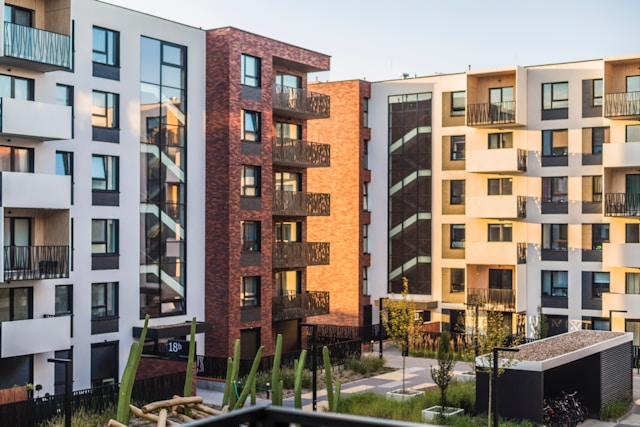
Larger buildings may offer stronger gross income and more opportunities to improve net operating income, but they also require stronger systems.
- Unit-by-unit rent tracking and lease renewal strategy
- Resident retention planning and turnover scheduling
- Common-area maintenance, vendor coordination, and capital planning
- Financial reporting, compliance management, and utility tracking
An apartment building can perform well when operations are strong. Weak management can reduce returns through vacancy, unpaid rent, deferred maintenance, poor resident communication, and inconsistent documentation.
Cap Rates, Cash Flow, and Return Expectations
Investors often ask whether single-family or multifamily rentals deliver better returns. The honest answer is that it depends on the deal. A multifamily property may offer better cash flow because it has multiple units, but it may also come with higher expenses and more management complexity.
When comparing properties, investors should look beyond gross rent and track metrics such as vacancy allowance, taxes, insurance, maintenance reserves, leasing costs, net operating income, cap rate, cash-on-cash return, and exit strategy. These rental property KPIs help owners compare the property’s actual operating potential, not just advertised income.
Pet Rent and Fees Require Caution
Some landlords use pet rent or pet fees as part of their policy. California landlords should be careful because pet charges can raise legal and compliance questions, especially in rent-controlled or regulated properties.
Before adding pet rent or fees, owners should confirm whether the charge is allowed, how it interacts with rent caps or local rules, whether the lease language is clear, and whether the charge applies only to pets, not assistance animals.
California Rent Control and Local Regulations
California rental ownership requires careful compliance. Many properties may be subject to statewide rent cap and just-cause rules, while some properties may be exempt depending on property type, age, ownership structure, and required notices.
The California Attorney General’s landlord-tenant guidance is a useful starting point for understanding statewide issues, but local ordinances may also matter.

This is especially important when comparing single-family and multifamily investments. A single-family home may be exempt from some statewide requirements only if the owner qualifies and provides proper notice.
Multifamily properties are more likely to be covered by rent stabilization rules depending on age and location. Oakland, Berkeley, Alameda, and other East Bay cities may also have requirements that affect rent increases, notices, registration, relocation, or lease enforcement.
Choosing Based on Your Investment Goals
There is no single right answer for every investor. A single-family rental may fit if you want simpler ownership, appreciation potential, and flexible resale options. A duplex or small multifamily property may fit if you want multiple income streams and better vacancy protection. An apartment property may fit if you want scale and are prepared for structured operations and professional management.
Before deciding, ask whether you want cash flow, appreciation, or both; how much vacancy risk you can tolerate; how involved you want to be; whether you have reserves for capital repairs; and how local regulations affect the property. Reviewing ROI on a property investment can also help you look beyond rent alone.
Bottom Line
Single-family and multifamily rentals can both be strong investments in the East Bay. One is not automatically better than the other. A single-family home may offer stability, appreciation potential, and simpler operations.
A multifamily property may offer scalability, multiple income streams, and better vacancy protection. Apartment properties can create even greater scale, but they require more sophisticated management.
The right choice depends on the property, the location, the numbers, the regulations, and your investment goals. If you are comparing single-family vs. multifamily rentals in the East Bay, East Bay Property Management can help you evaluate your options and create a management strategy that supports long-term success.