
Key Takeaways
- Remote work is reshaping renter priorities, with greater demand for larger homes, flexible layouts for home offices, and neighborhoods that offer lifestyle amenities rather than just proximity to job centers.
- Reliable high speed internet, quiet environments, outdoor space, and work life balance amenities have become key factors influencing tenant demand, rental pricing, and property competitiveness.
- Investors who adapt to these trends and work with professionals like East Bay Property Management can better position their rentals, reduce vacancies, and maintain stable long term income.
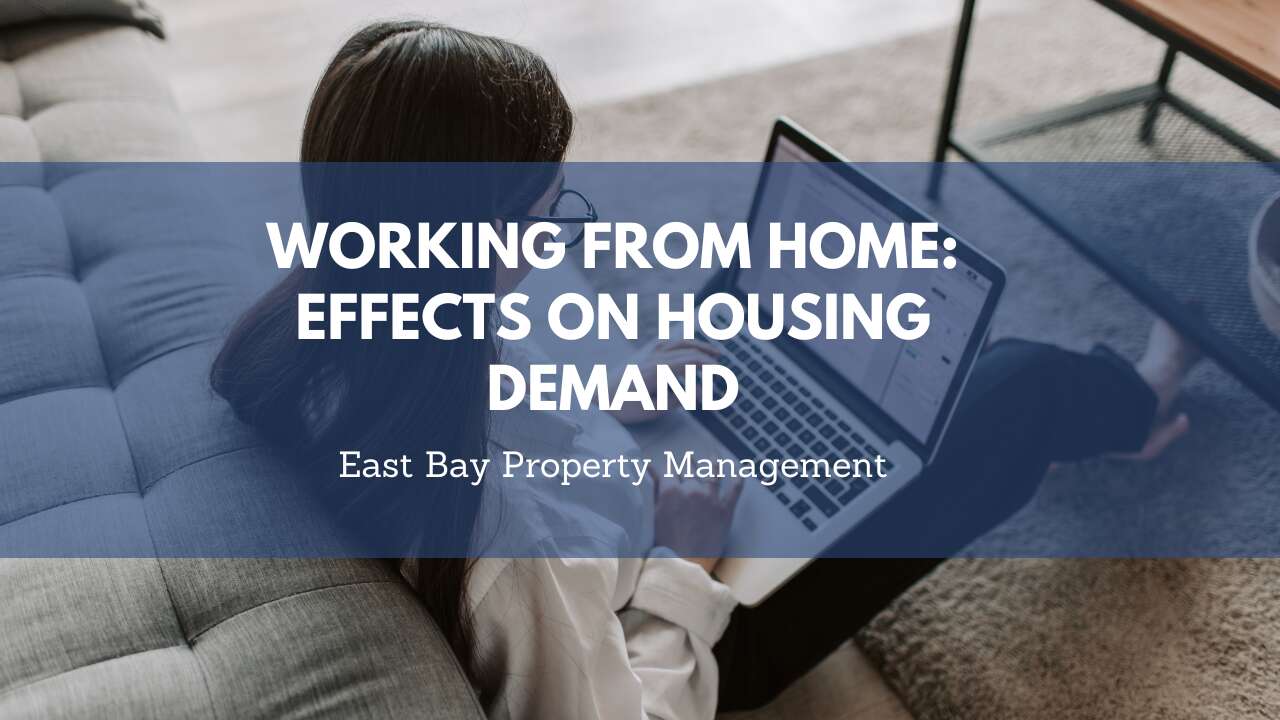
Remote work has transformed how people choose where and how they live. With fewer workers commuting to an office every day, renters are placing greater value on space, comfort, flexibility, and neighborhood amenities rather than simply proximity to downtown job centers.
These changing priorities are influencing rental demand, pricing strategies, and how properties are positioned in the market.
For real estate investors, understanding these shifts is essential to staying competitive. At East Bay Property Management, we help property owners adapt to evolving renter preferences by identifying features that appeal to today’s remote workforce while protecting long term rental income.
As hybrid and fully remote work continue to shape housing choices, investors who adjust their strategies can better attract tenants and strengthen the performance of their rental properties.
The Shift Toward Larger and More Flexible Living Spaces
Remote work has increased demand for functional space at home. Many renters now want an extra bedroom, den, or flexible area that can serve as a home office. Even in smaller units, layouts that clearly separate living and working areas are more attractive.
Investors can respond by highlighting workspace potential through staging or small upgrades like built in desks and improved lighting. Properties that support productivity often attract stronger interest and may command higher rents.
Location Preferences Are Expanding
Remote work has reduced the need to live close to major job centers. With fewer daily commutes, many renters are exploring suburban and secondary markets that offer more space, quieter neighborhoods, and better affordability.

Amenities such as parks, schools, and retail areas now play a larger role in housing decisions. For property owners in regions like the East Bay, this shift can create new opportunities as former commuter areas attract renters seeking flexibility and lifestyle convenience.
Increased Demand for Reliable Internet and Infrastructure
Remote work depends on stable, high-speed internet connectivity. Properties without reliable broadband access face a disadvantage. Residents view internet capability as essential infrastructure rather than an optional feature.
Owners should verify service availability and consider upgrades when necessary. In some cases, including internet service within the lease may increase appeal and simplify resident experience.
Noise levels and overall building environment also influence remote work suitability. Units with good sound insulation and minimal external disruption are better positioned in today’s market.
Growing Interest in Amenities That Support Work-Life Balance
Remote work blends professional and personal time within the same space, leading many renters to prioritize homes that support balance. Features such as outdoor space, natural light, fitness facilities, and walkable neighborhoods can strongly influence leasing decisions.
Community amenities like shared lounges, co working areas, or outdoor gathering spaces can increase competitiveness in multifamily properties, while single family rentals benefit from functional yards and well maintained outdoor areas.
For investors, improvements that enhance daily living can attract quality tenants, support higher rental demand, and help maintain consistent cash flow over time.
Longer Tenure and Stability in Some Markets
Remote professionals may remain in one location longer if their employment no longer depends on proximity to a specific office. This can support stronger renewal rates in markets offering quality housing and lifestyle benefits.

Stable occupancy benefits investors through reduced turnover costs and consistent income. Retention often improves when residents feel their homes meet both professional and personal needs.
However, flexibility also allows residents to relocate more easily if another region offers lower costs or improved amenities. Property owners must remain competitive to retain residents in mobile work environments.
Shifts in Rental Demand Across Property Types
Different property types experience varied effects from remote work. Single-family rentals and larger townhomes often see increased demand due to space requirements. Smaller urban apartments may experience pressure if residents seek more room.
At the same time, urban cores remain attractive for certain demographics who value proximity to entertainment, dining, and hybrid office access. Demand does not disappear; it redistributes based on lifestyle priorities.
Investors should assess which property types align with evolving preferences in their local market. Adjusting acquisition strategies to include properties that support remote work needs can improve long-term positioning.
Rental Pricing Adjustments
Remote work influences pricing in two directions. In areas experiencing increased demand due to inbound migration, rental rates may strengthen. In highly concentrated urban centers where demand shifts outward, pricing may require adjustment to remain competitive.
Owners should monitor comparable leases, occupancy rates, and days on market regularly. Data-driven pricing ensures properties remain aligned with local conditions rather than relying on outdated assumptions.
Flexible lease structures may also appeal to remote professionals who value mobility. Evaluating lease term options can improve absorption rates.
Operational Changes for Property Owners
Remote work increases the importance of responsive maintenance and communication. Residents who spend more time at home notice issues quickly and expect timely resolution. Maintenance delays affect daily routines more directly.

Efficient communication systems, online portals, and structured repair coordination improve tenant satisfaction and retention. Property owners should ensure maintenance processes are organized and consistent.
Regular property evaluations help identify improvements that support remote-friendly environments, such as upgraded lighting, improved HVAC systems, or enhanced soundproofing.
Why Work With a Professional Property Manager
Adapting to changing housing demand requires consistent market analysis and operational discipline. Tracking migration patterns, pricing trends, and renter preferences takes time and expertise.
East Bay Property Management helps property owners evaluate shifting demand and position rentals effectively. From market-based pricing strategies to maintenance coordination and resident communication systems, professional oversight supports stable income and competitive positioning.
Working with an experienced property manager ensures that evolving work patterns are reflected in marketing, lease structuring, and property improvements. This structured approach reduces vacancy risk and strengthens long-term returns.
Conclusion
Remote work has reshaped housing demand by altering location preferences, space requirements, and lifestyle priorities.
Residents now evaluate properties based on flexibility, functionality, connectivity, and comfort. Investors who recognize these shifts can adjust property features, pricing, and management strategies accordingly.
Properties that support remote productivity while maintaining strong lifestyle appeal are positioned for sustained demand.
To help you adapt to evolving work patterns and protect rental income in a changing market, it’s best to work with a professional property management company like East Bay Property Management.