
Key Takeaways
- Many Landlords Become Accidental Landlords: Life changes like job moves, inheritance, or a slow housing market often lead to unexpected rental ownership.
- Legal and Financial Duties: You must manage tenant relations, property maintenance, and comply with all rental laws to protect your investment.
- Proper Preparation is Crucial. Securing landlord insurance, readying the property, and setting competitive rent help ensure a smooth rental process.
- Consider Professional Management Support. Hiring a property manager can simplify tenant screening, rent collection, maintenance, and legal compliance, reducing stress for new landlords.
Over 30% of new landlords in the U.S. did not initially plan to rent out their property. These individuals often become landlords by inheriting property, relocating for work, or dealing with a sluggish housing market.
While this can be a financial opportunity, it also comes with legal, financial, and operational responsibilities that many are unprepared for.
Becoming a landlord without planning for it can be overwhelming. Suddenly, there are leases to sign, repairs to coordinate, and tenant issues to handle. Without guidance, accidental landlords can face legal risks, lose money, or struggle to maintain the property.
Whether you’ve inherited a rental home or can’t sell your current property, this guide from East Bay Property Management covers what you need to know to manage it successfully.
Learn more about our property management approach.
Becoming an Accidental Landlord
Many people become accidental landlords due to unexpected life changes—like a job relocation, marriage, inheritance, or a slow housing market that makes selling impractical.
Whatever the reason, you now have new responsibilities: maintaining the property, finding reliable tenants, and following local landlord-tenant laws. The first and most important step is to shift your perspective.
This isn’t just your former home anymore, it’s a business asset. From here on, every decision should be guided by financial and legal considerations.

You’ll need to learn how to handle rent collection, manage repairs, and properly screen tenants to protect your investment and stay compliant.
Key Landlord Responsibilities
Landlords must follow all local, state, and federal rental laws. This includes housing codes, safety requirements, anti-discrimination laws, and rules about security deposits.
You are also responsible for keeping the property habitable and responding to repair requests in a timely manner.
You’ll need to set clear lease agreement terms, conduct inspections, and maintain communication with tenants. Record-keeping is also important. Documenting income, expenses, and correspondence protects you in case of disputes or tax audits.
Is Landlord Insurance Necessary?
Yes. Homeowner’s insurance does not provide the right coverage once the property is rented out. Landlord insurance protects against property damage, loss of rental income, and liability claims.
It also typically includes coverage for injuries that occur on the property or tenant-related damages.
Without the proper insurance, you could be left paying out of pocket for accidents or repairs. Contact your insurance provider to update your policy or shop around for a plan that suits your new needs as a landlord.
Getting Your Property Tenant-Ready
Before listing the property, make sure it’s clean, functional, and compliant with safety codes. This includes checking smoke detectors, plumbing, electrical systems, and securing all doors and windows.
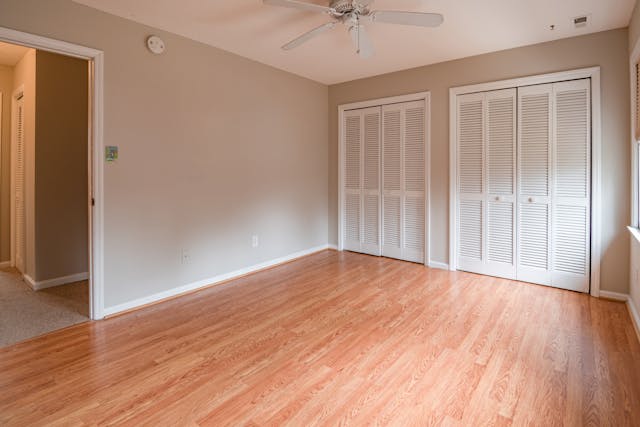
Remove personal belongings and consider neutral paint and flooring. Properties that show well rent faster and attract better tenants. Take high-quality photos and write a clear, honest rental listing that includes rental terms and requirements.
You’ll also need to screen applicants. This includes checking credit, verifying income, confirming rental history, and conducting background checks. A good tenant is your best asset, so don’t rush this step.
Common Hurdles for Accidental Landlords
Many new landlords underestimate the time and energy it takes to manage rental property. Maintenance emergencies, late payments, legal disputes, and tenant turnover are common issues.
Lack of experience with rental laws can lead to costly mistakes. For example, mishandling a security deposit or violating fair housing rules could result in fines. You also have to be prepared for vacancy periods when the property isn’t generating income.
Managing tenant relationships can also be stressful. Striking a balance between being professional and maintaining good rapport is key to long-term success.
Tips for Managing an Inherited Home
Inheriting a home can be both a gift and a challenge, especially if you plan to rent it out. Taking the right steps early on can help you avoid legal issues and maximize the property’s value.
- Confirm Legal Ownership: Make sure the title is officially transferred to your name before proceeding.
- Assess the Property: Inspect the home’s condition, address any deferred maintenance, and handle necessary repairs or upgrades.
- Clear Out Personal Items: Remove any belongings to prepare the property for tenants and create a clean, neutral space.
- Get an Appraisal: Determine the home’s current value and set a competitive rental rate based on the local market.
- Coordinate with Family: If other family members are involved, agree on roles or hire a property manager to ensure smooth, impartial decision-making.
- Maintain Financial Records: Track all income and expenses to stay organized and prepared for tax season.
- Consult a Tax Professional: Inherited homes may come with unique tax implications, so seek expert guidance on capital gains, depreciation, and deductions.

By staying organized and informed, you can turn an inherited property into a successful and manageable rental investment.
How It All Comes Together
Becoming an accidental landlord may not have been your plan, but with the right approach, it can be a positive financial move. Knowing your legal responsibilities, getting proper insurance, preparing the property, and understanding the rental process will make it easier to manage.
Professional support can also make a big difference. East Bay Property Management helps landlords who are new to the business handle every aspect of property rental. From marketing to maintenance, our services are designed to reduce stress and maximize your real estate investment.
We understand the unique challenges accidental landlords face. Our team helps with every step, from listing and leasing to ongoing management and maintenance.
We handle rent collection, inspections, emergency repairs, and legal compliance. We also screen tenants thoroughly, reducing the chances of missed payments or damage to your property.
By working with professionals, accidental landlords can avoid common pitfalls and enjoy steady rental income without the day-to-day stress.
Need help managing your rental property?
Bottom Line
Managing a rental property involves more than just collecting rent. You must follow rental laws, maintain the property, find qualified tenants, and be prepared for the unexpected.
With the right planning and support, accidental landlords can turn a challenging situation into a steady source of income.
East Bay Property Management offers complete services for landlords, including tenant screening, legal compliance, maintenance, and full-service property management. If you’re unsure about managing your property, we can help.
Contact us today for a consultation and find out how we can make property ownership easier for you.